table of contents
The LithiumSphere project is rethinking lithium extraction from the ground up – not as a monolithic, resource‑intensive industrial process, but as a living, decentralised network of small, intelligent harvesting systems embedded within real landscapes.
At a time when lithium demand is accelerating due to the global energy transition, LithiumSphere proposes a fundamentally different paradigm: lithium as a locally harvested resource, produced where it naturally occurs, with minimal disruption and maximum ecological compatibility.
How does LithiumSphere work?
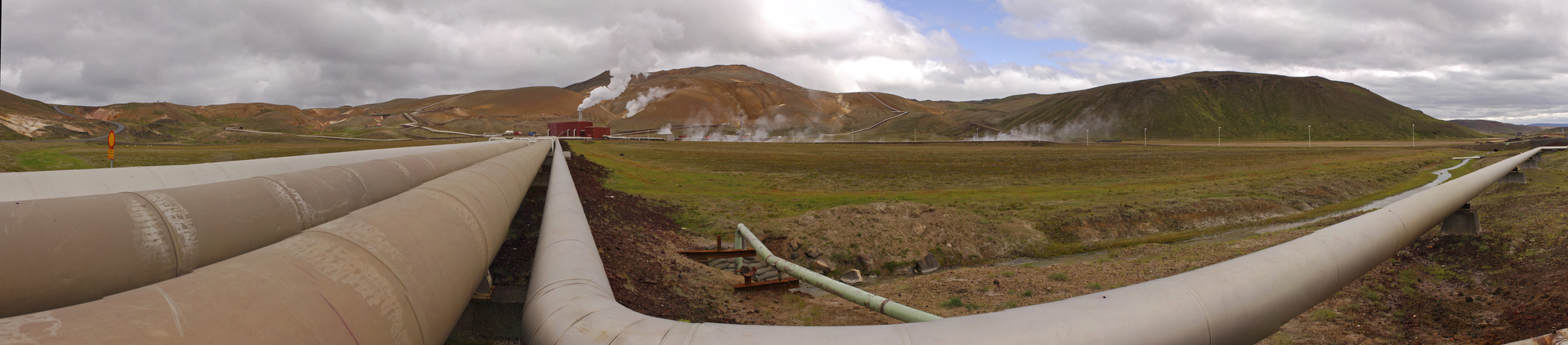
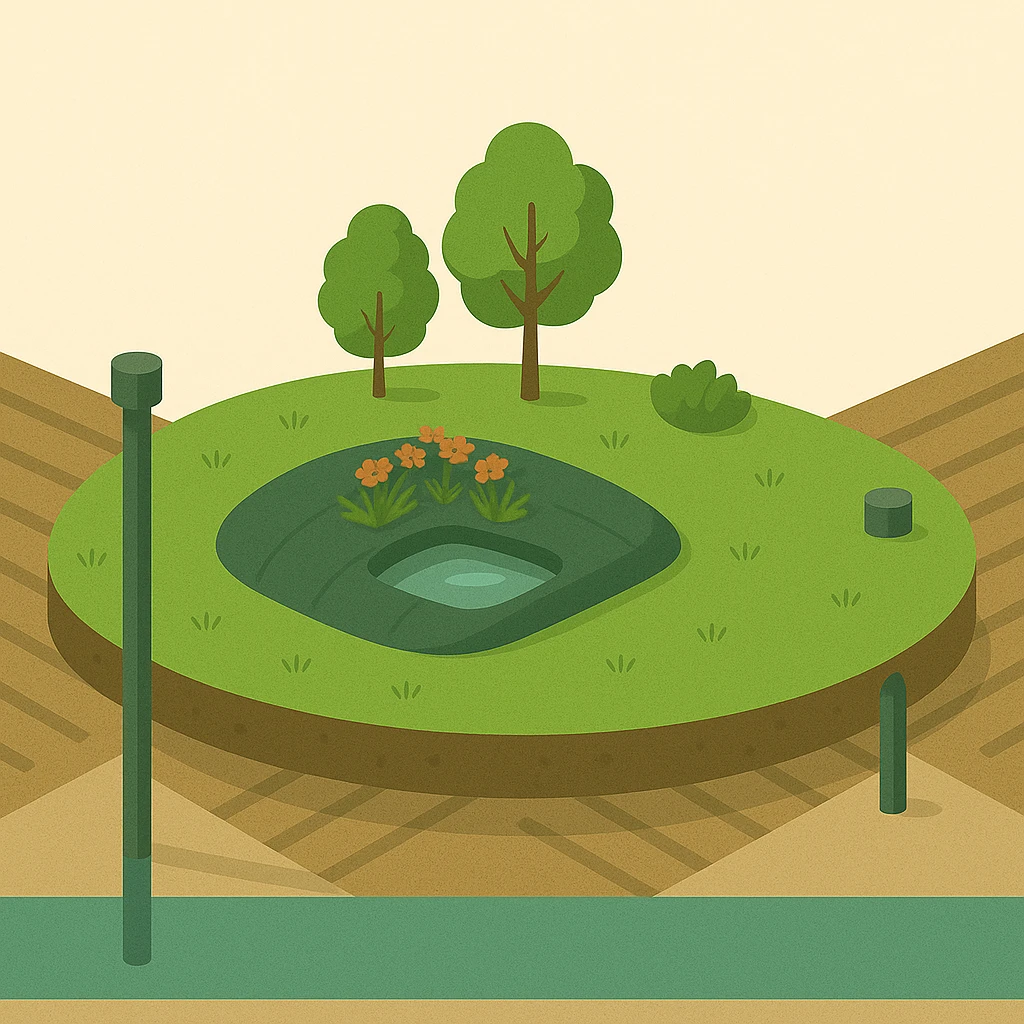
Each LithiumSphere operates like an eco‑island: a compact, cost‑efficient, solar‑powered Direct Lithium Extraction (DLE) system designed to function autonomously and responsibly within its environment.
Rather than relying on vast evaporation fields or energy‑intensive central plants, LithiumSpheres extract lithium directly from brine sources through carefully controlled sorption and desorption cycles. The systems are modular, scalable and optimised for decentralised deployment.
Key functional elements include:
Each unit is engineered to blend harmoniously into agricultural or natural landscapes, avoiding visual dominance and preserving land usability.
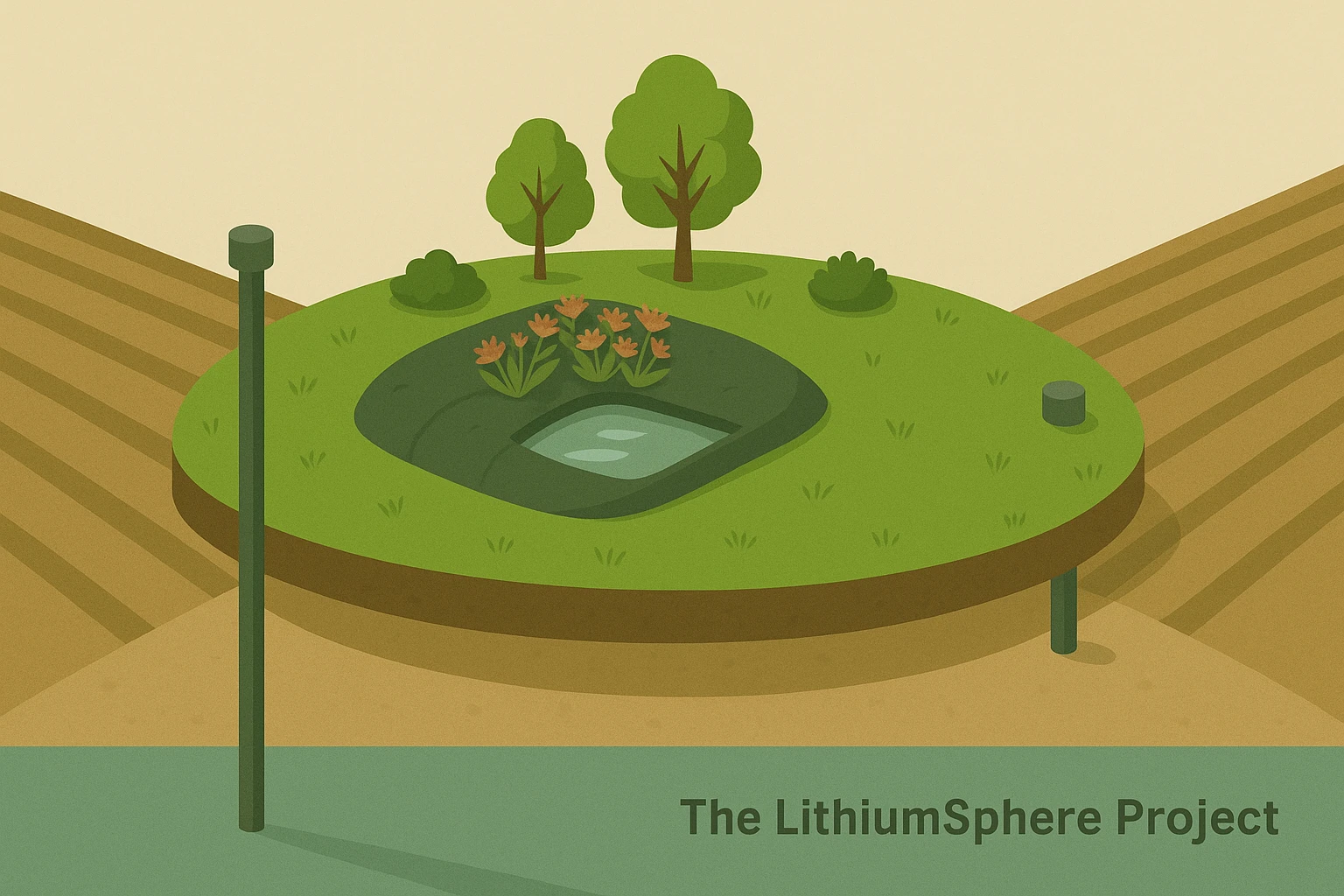
Lithiumphere-Visual-landscape
Technology that coexists with nature
Where conventional extraction plants often compete with ecosystems for water, land and energy, LithiumSphere systems are designed to coexist.
Instead of large plants that consume and exhaust resources, LithiumSphere creates microsystems – small technological interventions that strengthen, rather than weaken, their surroundings. Deployed together, they form a regenerative mosaic in which technology and nature operate in balance.
These eco‑islands can be integrated into:
while maintaining biodiversity, landscape quality and local value creation.
A new model for the energy transition
As the world moves towards electrification and renewable energy, access to lithium becomes strategically critical. LithiumSphere demonstrates that mining does not have to be extractive in the classical sense.
By treating lithium recovery as a resource‑efficient harvesting process, rather than a destructive intervention, LithiumSphere aligns advanced materials technology with ecological responsibility.
The result is a system that is:
More than lithium extraction
LithiumSphere is more than a technology. It is a vision for how critical raw materials can be produced in a way that is economically viable, technologically advanced and environmentally respectful.
A living network of eco‑islands, LithiumSphere contributes to a sustainable future in which high‑tech resource production and life‑affirming landscapes are not opposites, but partners.